Source Foldable Orange Yoga Strap for Stretching, Gym, and Fitness
Explore 30 listings for the foldable orange yoga strap designed for stretching, gym workouts, and bodybuilding. Buyers can compare adjustable lengths, materials like cotton and polyester, and customization options from verified Chinese manufacturers.
Key considerations
Products List


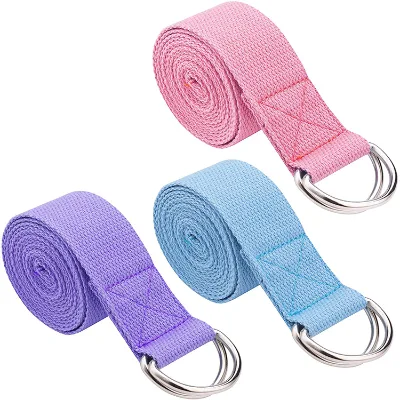


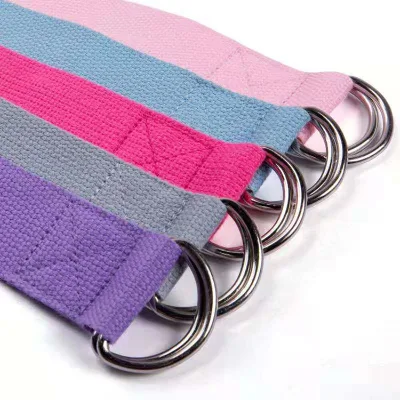


Comprehensive Sourcing Guide
Strategic Sourcing Guide for Foldable Orange Yoga Straps
Understanding Product Specifications and Material Variability
When sourcing a foldable orange yoga strap, the primary challenge lies in navigating the diverse technical specifications available in the global market. The core keyword implies a specific color and functional form factor, yet the underlying construction varies significantly between suppliers. Based on observed product data, the industry standard for length often centers around 1.83 meters (183 cm), with a width typically measuring 3.8 cm. However, alternative specifications exist, such as 2.40 meters or 2.55 meters in length, paired with the same 3.8 cm width. Buyers must verify the exact dimensions required for their target demographic, as the "foldable" nature of the strap often depends on the material's flexibility and the presence of specific hardware like D-rings or buckles.
Material composition is another critical specification that dictates the strap's performance and durability. The market offers options ranging from 100% organic cotton to 100% polyester. Organic cotton variants are often marketed for their eco-friendly profile and softness against the skin, making them suitable for users with sensitive skin or those prioritizing sustainability. In contrast, polyester options provide high tensile strength, moisture resistance, and a smoother texture that may be preferred for intense stretching or gym environments. The color orange is a standard aesthetic choice, but buyers should confirm that the dyeing process, often involving printing techniques, ensures colorfastness and does not fade after repeated washing or exposure to sunlight. The "foldable" attribute suggests a design that can be compacted for travel, which requires specific stitching or folding mechanisms that must be inspected during the sampling phase.
Compliance, Certification, and Safety Standards
In the B2B procurement of fitness equipment, compliance and certification are non-negotiable elements that protect both the buyer and the end-user. While specific certification documents were not explicitly listed in the provided product facts, buyers must rigorously verify that the supplier adheres to relevant safety standards for textile products used in physical exercise. The product origin is frequently cited as China, with specific manufacturing hubs in Jiangsu, Shanghai, and Zhejiang provinces. Sourcing from these regions requires a heightened focus on verifying that the production facilities meet international labor and safety standards.
Buyers should request documentation confirming that the materials used, particularly if claiming "organic" status, are backed by recognized third-party certifications. For polyester straps, chemical compliance regarding azo dyes and heavy metals is essential to ensure the product is safe for prolonged skin contact. The "Eco Friendly" label observed in some product listings is a marketing claim that requires substantiation through verified environmental standards. Without specific certification data in the source text, the procurement strategy must include a mandatory audit of the supplier's quality management systems. This includes checking for ISO certifications or specific textile safety audits that validate the absence of harmful substances. Furthermore, the "Customized" logo and "OEM" capabilities mentioned in the data imply that the supplier must maintain strict control over their printing and branding processes to avoid intellectual property infringement and ensure that any custom designs meet safety regulations.
Cost Drivers and Pricing Structure Analysis
The pricing structure for foldable orange yoga straps is influenced by several dynamic factors, including material costs, customization levels, and order volume. The observed price range in the market spans from $0.20 to $5.50 USD per unit. This wide variance indicates that the final cost is heavily dependent on the specific configuration chosen by the buyer. The lower end of the price spectrum likely corresponds to basic polyester straps with minimal packaging and standard sizing, while the higher end may reflect organic cotton materials, complex hardware, or premium packaging solutions like mesh bags or custom boxes.
Material selection is a primary cost driver. Organic cotton is generally more expensive than polyester due to the cultivation and processing costs associated with sustainable farming practices. Additionally, the "Customization" feature, which includes logo printing and specific color requests, adds to the unit cost. Suppliers often charge a setup fee for custom printing or die-cutting, which can be amortized over larger order quantities. The Minimum Order Quantity (MOQ) also plays a crucial role in cost efficiency. The observed MOQ range is extensive, from as low as 1 piece to 10,000 pieces. Buyers with smaller order volumes may face higher per-unit costs due to the fixed costs of production setup. Conversely, larger orders can leverage economies of scale, reducing the per-unit price significantly.
Packaging is another variable that impacts the final landed cost. Options range from simple OPP bags to more elaborate paper wraps, boxes, and cartons. The choice of packaging affects both the material cost and the shipping volume, which in turn influences freight charges. Buyers must balance the desire for premium packaging with the budget constraints of the project. It is essential to request a detailed breakdown of costs, separating the unit price, tooling fees, and packaging costs, to understand the true cost drivers and negotiate effectively.
Typical Applications and Usage Scenarios
Foldable orange yoga straps serve a variety of applications across different fitness disciplines. The primary usage identified in the market data is for "Body Building" and "Gym Exercise," indicating their utility in strength training and flexibility enhancement. These straps are designed to assist users in achieving deeper stretches, improving range of motion, and providing support during various exercises. The "Adjustable" feature is a key functional attribute, allowing users to customize the length of the strap to suit their specific body proportions and exercise requirements.
The target demographic often includes women, as indicated by specific product attributes, though the utility of these straps extends to all genders. The "Hot Custom" nature of some listings suggests that these products are also popular for corporate wellness programs, yoga studio branding, and retail gift sets. The "Portable" aspect of the design makes them ideal for travel, allowing fitness enthusiasts to maintain their stretching routines while on the go. The "Multiple Cycle" capability mentioned in some product descriptions implies durability and the ability to withstand repeated use without degradation, which is essential for high-volume gym environments.
Buyers should consider the specific needs of their target market when selecting a product. For instance, a yoga studio may prefer organic cotton straps for their premium feel and eco-friendly appeal, while a commercial gym might opt for durable polyester straps that can withstand heavy daily use. The "Orange" color is not just an aesthetic choice; it can serve as a branding tool or a way to differentiate products in a crowded marketplace. Understanding these application nuances helps in selecting the right product specifications that align with the end-user's expectations and usage patterns.
Supplier Evaluation and Operational Capabilities
Evaluating suppliers for foldable orange yoga straps requires a comprehensive assessment of their operational capabilities, production capacity, and logistical reliability. The market data indicates that suppliers have a monthly production capacity of up to 10,000 pieces, which suggests that many manufacturers can handle moderate to large order volumes. However, buyers must verify if this capacity is consistent and if the supplier can scale up during peak demand periods. The "Sample" availability within 7 days is a positive indicator of a responsive supply chain, allowing buyers to quickly validate product quality before committing to a large order.
Geographic location is another critical factor in supplier evaluation. The data points to manufacturing hubs in Jiangsu, Shanghai, and Zhejiang, all of which are established centers for textile and fitness equipment production in China. These regions offer a mature supply chain ecosystem, but buyers should conduct due diligence to ensure that the specific factory they choose has a proven track record of quality and reliability. The "OEM" and "Customization" capabilities are essential for buyers looking to brand the products, and the supplier's ability to handle these requests efficiently is a key performance metric.
Payment terms and logistics are also important considerations. The observed payment methods include PayPal, Western Union, TT, and Trade Assurance, offering flexibility and security for international transactions. Buyers should prioritize suppliers who offer Trade Assurance, as this provides an additional layer of protection against non-delivery or quality issues. Lead times, while not explicitly detailed in the data, are a critical factor in supply chain planning. Buyers should establish clear expectations regarding production and shipping times to avoid delays.
Quality Control and Long-Term Procurement Strategy
Implementing a robust quality control (QC) strategy is essential for ensuring that the foldable orange yoga straps meet the required standards. Given the variability in materials and specifications, buyers should develop a detailed inspection plan that covers material verification, dimensional accuracy, and functional testing. The "100% Organic Cotton" and "100% Polyester" claims must be verified through laboratory testing to ensure authenticity. Dimensional checks should confirm that the length and width match the specified standards, such as 183 cm x 3.8 cm or 2550 mm x 38 mm.
Long-term procurement considerations involve building a sustainable relationship with suppliers who can consistently deliver high-quality products. This includes establishing clear communication channels, setting performance benchmarks, and conducting regular audits. The "Customized" nature of the products means that any changes in design or material must be carefully managed to maintain quality. Buyers should also consider the environmental impact of their procurement decisions, especially if they are targeting eco-conscious consumers. Selecting suppliers who prioritize sustainable practices and offer eco-friendly packaging can enhance the brand's reputation and align with corporate social responsibility goals.
| Feature | Observation from Data | Buyer Verification Action |
|---|---|---|
| Material | 100% Organic Cotton or 100% Polyester | Request lab test reports for material composition. |
| Dimensions | 183cm, 240cm, 255cm length; 3.8cm width | Measure physical samples against specifications. |
| Customization | Logo, Color, Packaging Available | Review proof of artwork and sample with custom logo. |
| MOQ | 1 to 10,000 PCS | Negotiate MOQ based on order volume and budget. |
| Origin | China (Jiangsu, Shanghai, Zhejiang) | Verify factory location and conduct on-site audits. |
| Packaging | Mesh Bag, OPP Bag, Paper Box, Carton | Inspect packaging durability and branding quality. |
By adhering to these guidelines and maintaining a disciplined approach to sourcing, buyers can secure high-quality foldable orange yoga straps that meet their specific needs while mitigating risks associated with international procurement. The key is to balance cost, quality, and reliability to build a successful supply chain that supports long-term business growth.
FAQs
What materials are available for foldable orange yoga straps?
Available materials include 100% organic cotton and 100% polyester. Organic cotton offers softness and eco-friendly appeal, while polyester provides high tensile strength and moisture resistance for intense gym use.
Which standard dimensions are commonly offered for these straps?
Common specifications include lengths of 1.83 meters, 2.40 meters, or 2.55 meters with a width of 3.8 cm. Buyers must verify exact dimensions as options vary between 183 cm and 2550 mm lengths.
Can suppliers provide customized logos and packaging for bulk orders?
Yes, customization is available for logos and packaging options like mesh bags, paper wraps, or cartons. Suppliers accept OEM requests and offer customized logo printing services for branding purposes.
How quickly can buyers receive product samples for verification?
Samples can typically be provided within 7 days of request. This quick turnaround allows buyers to validate product quality and specifications before committing to larger production orders.
What is the typical minimum order quantity for purchasing these straps?
Minimum order quantities range from 1 piece to 10,000 pieces depending on the supplier and customization level. Some vendors accept single-piece orders while others require 500 pieces as a baseline.
Where are the manufacturing facilities for these yoga straps located?
Manufacturing facilities are primarily located in China, specifically in Jiangsu, Shanghai, and Zhejiang provinces. These regions are established hubs for textile and fitness equipment production.